

What Are the 3 Types of Reverse Mortgages
When homeowners are nearing retirement age, they are often seeking to unlock the home assets they have accumulated while owning a home without having to sell. A reverse mortgage is one thing that frequently comes into mind. It is advisable to consider and understand the benefits, limitations and various options for reverse mortgages before making any financial commitment. One of the typical questions is What Are the 3 Types of Reverse Mortgages and which one is suitable to them.
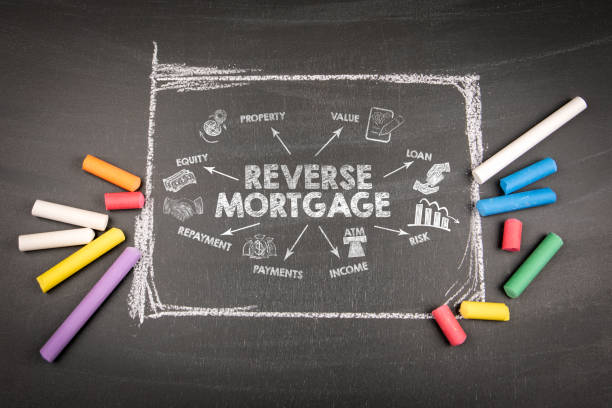
A reverse mortgage for homeowners (typically older adults) lets they utilize their home equity to free up cash. Unlike a conventional loan, monthly loan payments aren’t taken as a mortgage payment on a conventional loan. Instead, the debt increases over time and this is generally paid back on exiting the home, when it’s sold, or upon their death. What Are the 3 Types of Reverse Mortgages
Homeowners can benefit from understanding What Are the 3 Types of Reverse Mortgages as it can aid them in their retirement, financial flexibility, and future housing planning decisions.
Understanding Reverse Mortgages
A helpful background understanding of the concept is listed below, which helps in answering the question What Are the 3 Types of Reverse Mortgages.
A reverse mortgage is a loan offered to those home owners who have substantial equity in their home. A lender will give the homeowner money over the course of the month rather than the lender taking money from the homeowner each month. The money can be paid out to borrowers in a lump sum, monthly installments, a line of credit or a combination of these.
The houseowner will still have to pay property tax, homeowners’ insurance, maintenance, and other home related responsibilities. While reverse mortgages might be an option for financial assistance while still in retirement, there are benefits and costs to consider.
What Are the 3 Types of Reverse Mortgages?
In the case of What Are the 3 Types of Reverse Mortgages, the solution is comprised of the answer and the following:
Single-Purpose Reverse Mortgage
You can also obtain a loan using a Home Equity Conversion Mortgage (HECM).
Proprietary Reverse Mortgage
All options are targeted to varying financial needs and have specific benefits.
1. Single-Purpose Reverse Mortgage
The first answer to What Is the 3 Types of Reverse Mortgages is the single-purpose reverse mortgage.
This kind of reverse mortgage provided by the local government bodies, a Nonprofit or the State housing program. The borrower is required to use the borrowings for specified purpose as the name goes to the credit.
Common Approved Uses
• Home repairs
• Property improvements
• Property taxes
• Accessibility modifications
Benefits
Single-purpose reverse mortgages tend to have less fees than the reverse mortgage alternatives. They have a specific usage and could be more affordable for the homeowner who is in a stage of life that does not require large financial needs.
Limitations
The most restricting factor is flexibility. The loan funds are restricted to specific expenses only, or may not be spent for personal use. Payments must be made for the permission of the use granted by the lender/sponsoring organization.
This is the best choice for those homeowners who require support toward some expense associated with their home.
Key Features
• Government-backed protection
• Flexible payment options
Accessible via lenders they have to their disposal
• Consumer counseling requirement
Payment Choices
Money can be disbursed via:
• Monthly payments
• Lump-sum distributions
• Lines of credit
• Combination plans
Advantages
The flexibility and extensive consumer protections offered by HECMs. The program’s benefits are protected by government insurance, which can provide borrowers with features that otherwise are not available with other loan types.
Considerations
Mortgage insurance premiums and closing costs are a part of HECMs. Before moving forward, it is important for homeowners to do their due diligence on expenses.
HECs may be the most easily accessible and prevalent option for many retired individuals who are conducting research What Are the 3 Types of Reverse Mortgages.
3. Proprietary Reverse Mortgage
The reverse mortgage is the third option to What Are the 3 Types of Reverse Mortgages downside.
These loans are provided and made by private financial institutions (and are not federally-insured). Often attacks high dollar homes in the hands of homeowners.
Who Benefits Most?
Property owners who have a great deal of home equity, along with higher values, can likely obtain bigger loan amounts with a proprietary reverse mortgage.
Benefits
• Higher borrowing limits
• Enables more access to home equity
• Potentially larger payouts
Drawbacks
Due to varying terms and fees put together to each loan by private lenders, the financing terms can differ greatly. Borrowers should take time to make sure he or she has the best offer yet before taking any action.
FHA loans can appeal to those with homes that are too costly for them to buy with an FHA loan, in instance of these sorts, homeowners may select proprietary loans.
These are used for comparing the Three Types of Reverse Mortgages.
Being aware of the differences will help you to understand the meaning of (1) and why you might or might not consider one for a certain case.
Single-Purpose Reverse Mortgage
• Lowest cost
• Restricted use
Many times funded by the government or by a non-profit foundation
Home Equity Conversion Mortgage (HECM)
• Most common option
• Federally insured
• Flexible payment methods
Proprietary Reverse Mortgage
• Privately funded
• Higher loan amounts
Ideal for property values and properties worth more than €1500.
All of these are in regards to various financial objectives and home ownership situations.
Who is Eligible for a Reverse Mortgage?
In addition to an evaluation of the nature of the topic, qualification is a factor that should be considered when exploring What Are the 3 Types of Reverse Mortgages.
The typical reverse mortgage program will require the following:
• Homeownership
• Sufficient home equity
A person who resides in the home and occupies it as a place to live.
The payment responsibilities of taxes and insurance. The capacity to pay taxes and insurance.
The specific requirements will depend on the type of loan and lender.
When you opt for a reverse mortgage, here are some benefits you will gain.
Also, it means to be able to identify the opportunities What Are the 3 Types of Reverse Mortgages.
Additional Retirement Income
Reverse mortgages are popular for people who are retired to help supplement their retirement income.
Pay No Monthly Mortgage Payments
The monthly payment on the home loans is typically withheld from the person’s income until they move out and also abide by the loan specifications.
Homeownership Retention
While homeowners obtain access to their equity, they still reside in their home.
Flexible Use of Funds
Borrowers can use the money that the reverse mortgage provides as they wish in some types.
Conclusion
With that in mind, knowing is crucial for homeowners looking for ways to finance their retirement. Single-purpose reverse mortgages, federally-insured HECM for purchase loans and federally sponsored HECM for purchase loans, and proprietary reverse mortgages are good options for homeowners who can benefit from a larger cash-upfront in the event of their high home value. There are multiple options which are utilized for a different reason and have their pros and cons. When considering a retirement strategy, it is essential that any homeowner carefully assesses their financial goals, housing plans and long-term requirements in order to determine which reverse mortgage solution will work best for their retirement plan.
FAQs
May Outstanding stay my home with a reverse mortgage?
All of the bills associated with the property, including property taxes, insurance and maintenance, still need to be paid. If these obligations are not met, it may cause loan problems.