

How Does a Reverse Mortgage Work
As a home owner nearing retirement age, you might have the question of why and how can it be useful for you in terms of your finances. With a reverse mortgage, house owners who qualify can obtain cash from the fairness of their home – without selling. Many people use to search for it as you can easily get that cash without changing anything about the house. This guide will help you to understand clearly: (, qualification, mechanics of payments, risks and benefits). This explanation will enable you to make a knowledgeable and intelligent investment.
What Is a Reverse Mortgage?
So first you must know what is How Does a Reverse Mortgage Work. The equity in the home will provide the collateral for the loan. The response How Does a Reverse Mortgage Work is a question people will ask as it offers the opposite opportunity to a traditional mortgage loan. The loan balance steeply rises instead of declining.
Basic Concept of How It Works
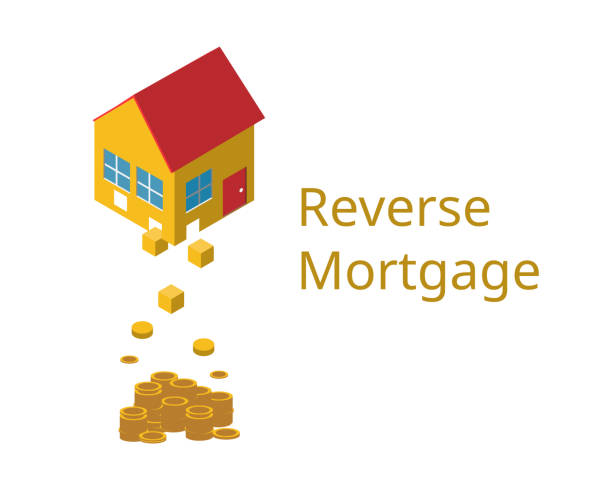
The principle behind How Does a Reverse Mortgage Work is very basic and straightforward. You get a loan using your home’s equity and you do not pay the loan on a month-to-month basis. Rather, the repayment takes place at the time of your home being sold, through permanent residence or at death. The lender then recovers the loan in that house’s sale. Many retirees look into because they can continue to live in their home and earn more from their retirement.
Eligibility Requirements
Knowing about How Does a Reverse Mortgage Work entails knowing who qualifies. The typical older adult homeowner will need a minimum age of 62 and have a substantial amount of home equity, and generally reside in the property as their principal place of residence. The property has to also adhere to specific measures. Lenders all consider your age, the value of your home and how much you already owe on your mortgage. These are some of the factors that help in the determination of How Does a Reverse Mortgage Work for each and every individual borrower.
Types of Reverse Mortgages
No, there are different varieties of reverse mortgages, each of which has an impact on How Does a Reverse Mortgage Work. It’s most frequently a government-backed Home Equity Conversion Mortgage. Another one is proprietary reverse mortgages provided by institutional lenders. There are also some programs that are specific to specific housing situations. Each type is based on different (loan limits, fees, and exit strategies).
The options available for borrowers to make payments.
A fundamental component of understanding How Does a Reverse Mortgage Work is to learn about how borrowers get money. Homeowners can opt to get paid all the funds at once, in monthly installments, as a line of credit or a blend of any of these arrangements. The flexibility makes reverse mortgages appealing to anybody who’s retired and requires various kinds of help. One of the most significant features to consider when individuals inquire about How Does a Reverse Mortgage Work is payment plan.
Interest and Loan Growth
Without an understanding of the compounding of interest over the course of time, it is impossible to fully comprehend How Does a Reverse Mortgage Work. The great difference between a conventional mortgage and a reverse mortgage is that the payments increase the amount owed on the reverse mortgage, not the conventional mortgage. A mortgage interest is accrued on a monthly basis on the mortgage amount. This results in an increasing overall debt. You will be surprised that, contrary to popular belief, the amount due is not reduced on the loan.
Repayment Process
Repayment is another important aspect of How Does a Reverse Mortgage Work. The loan is maturity due if you sell your house, relocate permanently or death occurs. The house at the time becomes the property of the seller and the proceeds from the sale are applied to pay the loan off. In the case that a home sells for more than the amount owed on the loan, the rest of the “profit” becomes the property of the homeowner or the heir. It is important to comprehend this repayment mechanism when modelling How Does a Reverse Mortgage Work.
Renewable rewards of a Reverse mortgage.
A lot of people want to know How Does a Reverse Mortgage Work due to the benefits that it provides. Few advantages are that you can receive income that is not taxable and that you can remain in your property. It may contribute to expenses to cover retirement living, medical or day-to-day expenses. It also does not call for regular loan settlements, lessening monetary stress. Being able to visualize how plays a role in long-term financial security gives retirees an education on it.
Risks and Considerations
It is also crucial to recognize the risk when learning How Does a Reverse Mortgage Work. The loan amounts due increase with the time and decrease in home equity mean that it becomes more expensive to be the owner. Additional fees and interest as well can build up quite a sum. The loan may be due if homeowners do not fulfill conditions, such as paying property taxes and insurance. Those in charge ask How Does a Reverse Mortgage Work without knowing with them, so planning is very important.
Blessings or other resources for heirs and estate planning.
One of the things How Does a Reverse Mortgage Work waits are worried about is what will happen to the heirs. The creditors will be paid back if the borrower dies, or the heirs will lose the home. They are able to sell this home or refinance their mortgage. Heirs can inherit the difference if the home’s worth is more than the loan balance. An important consideration in understanding How Does a Reverse Mortgage Work in long-term financial planning.
Understand the expenses of reverse mortgages.
Another key factor in How Does a Reverse Mortgage Work has to be the price. Appropriated loans can include the cost of mortgage insurance premiums, interest on charges, closing costs, and origination fees. The borrower will not be required to pay a monthly interest or principal payment, but these costs will be incurred over the term of the loan. Before choosing courses, potential students of How Does a Reverse Mortgage Work are advised to make special note of any fee associated with it.
Responsibilities of the Borrower
Borrowers will still be responsible, although they don’t need to pay anything! The only way homeowners can fully grasp How Does a Reverse Mortgage Work is if they realize that they have to keep paying their property taxes, homeowners’ insurance and maintenance costs.
Conclusion
So, How Does a Reverse Mortgage Work? Provides home owners with an avenue to take the equity of their home without paying monthly, getting this cash back when they sell or leave. It is a good way to grow your finances and provide support when you’re retired, but it also lowers the home equity over time, and comes with long-term expenses.
FAQs
What is the central or main idea in How Does a Reverse Mortgage Work?
It enables people to take out a loan against their home equity, and not make any repayments in the meanwhile.
Do I still own my home in How Does a Reverse Mortgage Work?
Even if you sell the home under the terms of the loan (such as taxes and insurance), you still own the house.
In what year will I pay back the loan in How Does a Reverse Mortgage Work?
The loan will be repaid when the house will be sold, permanently removed, or the borrower dies.