
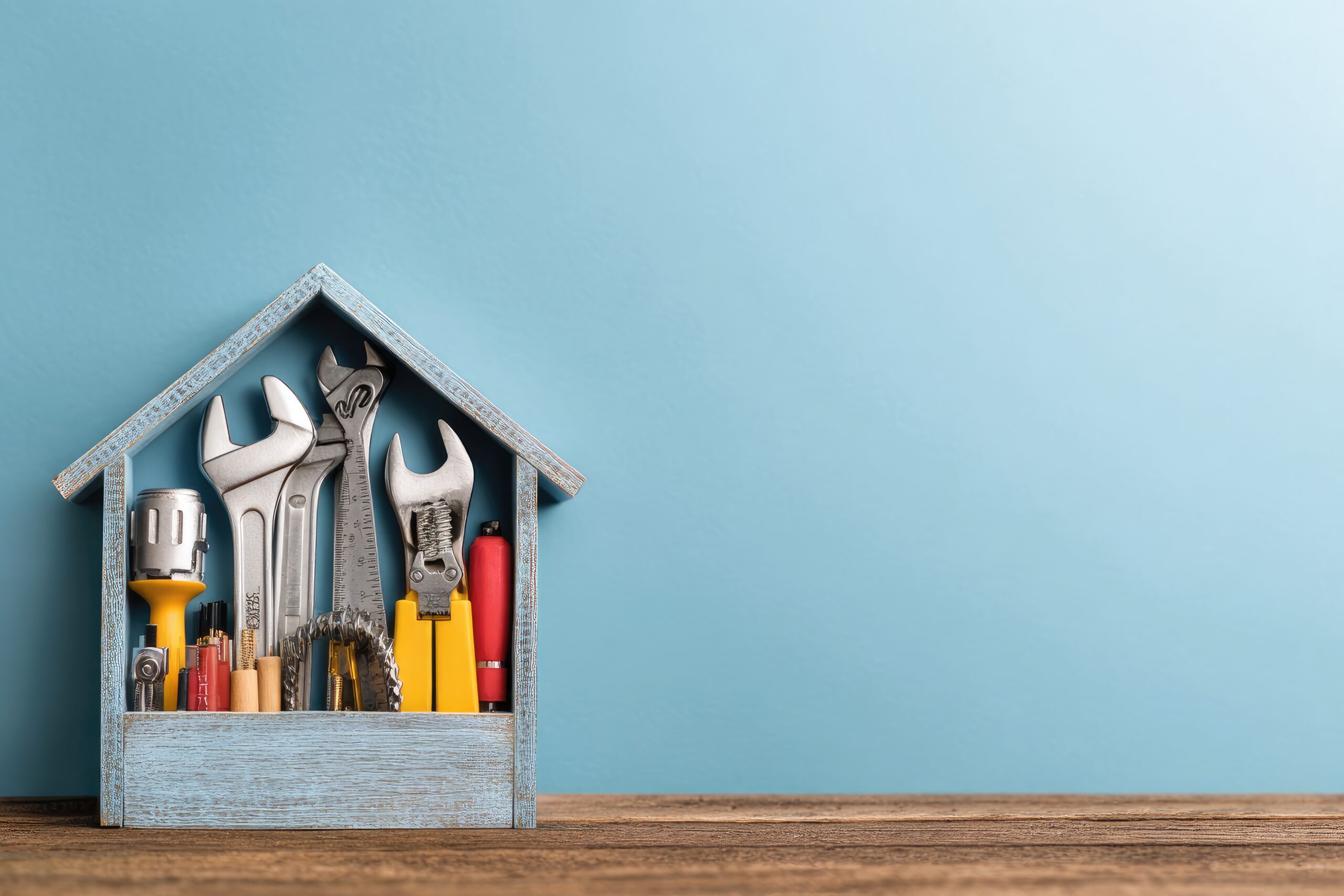

Owning a home comes with a lot of small jobs that are easy to forget. One month you are busy with work, the next month the season already changed, and suddenly you realize you never checked the furnace or cleaned the gutters.
I learned this the hard way. A few years ago, I skipped cleaning my gutters before the rainy season started. Water backed up, spilled over the edge, and started pooling right next to my foundation. It did not flood my basement, but it came close enough to scare me. Since that day, I never skip that task again.
This is exactly why an annual home maintenance calendar is so helpful. It breaks a big, overwhelming job into small tasks spread across the year. You do not need to remember everything at once. You just need to know what to check each month.
This guide gives you that full calendar, month by month, plus a seasonal checklist, cost estimates, and answers to the questions homeowners ask most.
Quick Answer
An annual home maintenance calendar is a month-by-month schedule of small tasks that protect your home, like checking the roof, cleaning gutters, changing HVAC filters, testing smoke detectors, and draining outdoor faucets. Doing these small jobs on time prevents expensive repairs later and helps your home stay safe, efficient, and in good condition all year.
Why Every Home Needs a Maintenance Calendar
A house is always aging a little bit every day. Wood expands and shrinks. Pipes wear down. Roofs take damage from sun, rain, and wind. None of this happens overnight, so it is easy to ignore.
The problem is, small issues do not stay small. A tiny roof leak becomes a ceiling repair. A clogged gutter becomes a wet basement. A dirty HVAC filter becomes a broken furnace in the middle of winter.
I’ve seen neighbors spend thousands fixing roof leaks that could have been prevented with a quick inspection twice a year. That is really the whole point of a maintenance calendar. It is not about doing more work. It is about doing the right small job at the right time, before it turns into a big one.
A calendar also removes the guesswork. Instead of wondering “did I already check the water heater this year,” you just look at your list.
Benefits of Preventive Maintenance
Preventive maintenance means fixing or checking things before they break, instead of waiting for something to go wrong.
Here is what it actually gives you:
- Lower repair costs. Small fixes are almost always cheaper than emergency repairs.
- Longer life for your systems. Your HVAC, water heater, and roof all last longer when they are cared for on a schedule.
- Better safety. Smoke detectors, carbon monoxide alarms, and fire extinguishers only protect you if they actually work.
- Higher home value. A well-maintained home holds its resale value better than one with deferred repairs.
- Lower energy bills. Clean filters, sealed windows, and a well-tuned HVAC system all use less energy.
- Less stress. You stop wondering what might be quietly going wrong somewhere in your house.
From what I’ve seen, most homeowners do not lack the ability to do these tasks. They just lack a simple schedule that tells them when.
Month-by-Month Annual Home Maintenance Calendar
This is the heart of the guide. Each month has a short list of tasks, why they matter, and an easy tip to make the job simpler.
January
Tasks:
- Check for ice dams on the roof edge
- Test smoke detectors and carbon monoxide alarms
- Check attic insulation and ventilation
- Vacuum refrigerator coils
- Inspect fire extinguishers
Why they matter:
Ice dams form when heat escapes through your roof, melts snow, and then that water refreezes at the edge. This can force water back under your shingles and into your ceiling. January is also a good time for safety checks since you are spending more time indoors during cold weather.
Easy tips:
Use a long-handled roof rake to clear snow from the edge of your roof after a heavy snowfall. This is much cheaper than repairing water damage caused by an ice dam.
February
Tasks:
- Check for drafts around windows and doors
- Clean or replace HVAC filters
- Inspect the water heater for rust or leaks
- Check indoor humidity levels
- Test garage door safety sensors
Why they matter:
Cold weather puts extra strain on your heating system. A dirty filter forces your furnace to work harder, which raises your energy bill and shortens the life of the unit.
Easy tips:
Hold a lit candle near window and door frames. If the flame flickers, you have found a draft that needs sealing.
March
Tasks:
- Inspect the roof for winter damage
- Check gutters and downspouts
- Test outdoor faucets for leaks
- Inspect the foundation for cracks
- Check driveway and walkways for winter damage
Why they matter:
March is usually when winter weather starts easing up, so it is the best time to check what damage the cold season left behind. A cracked driveway or a loose gutter is much cheaper to fix now than after another season of freezing and thawing.
Easy tips:
Look for cracked shingles, loose flashing, missing nails, or dark patches on the roof after any heavy winter storm. These are early signs of a leak forming.
April
Tasks:
- Clean gutters and downspouts
- Service the air conditioning system
- Check window screens for tears
- Inspect the deck or patio for damage
- Check exterior paint and siding
Why they matter:
Spring rain is often heavier than winter snow, so clean gutters matter a lot right now. Servicing your AC before summer heat arrives also means you are not stuck waiting for a repair appointment during the busiest season.
Easy tips:
If you have children, checking playground equipment or deck railings each spring can prevent injuries from loose boards or rusted hardware.
May
Tasks:
- Inspect and clean dryer vents
- Check sprinkler and irrigation systems
- Inspect fences and gates
- Clean exterior windows
- Check the chimney and fireplace
Why they matter:
A clogged dryer vent is one of the leading causes of house fires. May is also when many homeowners turn irrigation systems back on, so checking for leaks or broken sprinkler heads now avoids wasted water all summer.
Easy tips:
Run your dryer and step outside to check the exterior vent. If the airflow feels weak, the vent is likely clogged with lint and needs cleaning.
June
Tasks:
- Inspect the roof for summer storm readiness
- Check the attic for proper ventilation
- Clean outdoor grills and patio furniture
- Inspect exterior caulking around windows and doors
- Test smoke detectors again
Why they matter:
Summer storms can be intense in many regions. A roof that is not ready can mean sudden leaks during heavy rain. Good attic ventilation also keeps your home cooler and reduces strain on your AC.
Easy tips:
I noticed that checking smoke detector batteries only takes a few minutes but gives a lot of peace of mind, especially heading into storm season when power outages are more common.
July
Tasks:
- Inspect the deck and outdoor structures
- Check for pest activity around the foundation
- Clean the range hood filter
- Inspect exterior faucets and hoses
- Check the water pressure
Why they matter:
Hot weather brings more pests looking for water and shade near your foundation. Catching an infestation early is much easier than dealing with structural damage later.
Easy tips:
Look under your deck and around your foundation for small holes, sawdust piles, or soft wood. These are early signs of termite or carpenter ant activity.
August
Tasks:
- Inspect and clean gutters again
- Check the attic for heat damage
- Service the water heater
- Inspect window and door weatherstripping
- Check outdoor lighting
Why they matter:
Gutters fill up faster than people expect, especially near trees. Checking them again in August prepares your home for fall rain. A well-maintained water heater also uses less energy and lasts longer.
Easy tips:
Flushing a little water out of your water heater tank once or twice a year removes sediment buildup and helps it run more efficiently.
September
Tasks:
- Inspect the roof before fall storms
- Clean gutters before leaves fall
- Check the furnace before heating season
- Inspect caulking and weatherstripping
- Test the sump pump
Why they matter:
September is really the start of your fall prep. Getting ahead of a furnace inspection means you are not scrambling to find a technician during the first cold week.
Easy tips:
Pour a bucket of water into your sump pump pit to confirm the pump turns on and drains the water properly. This is one of those five-minute checks people always forget.
October
Tasks:
- Rake leaves and clear gutters again
- Drain and disconnect outdoor hoses
- Inspect the chimney before fireplace season
- Check attic insulation
- Test carbon monoxide detectors
Why they matter:
If you live where winters are cold, draining outdoor faucets and hoses before freezing weather can save you from expensive burst pipe repairs. October is usually the last easy window to do this before the first freeze.
Easy tips:
Here’s what usually happens if you skip this step. Water left inside a hose bib freezes, expands, and cracks the pipe. You might not notice until spring when you turn the water back on and find a leak inside your wall.
November
Tasks:
- Winterize outdoor faucets and irrigation lines
- Check weatherstripping around doors
- Inspect the furnace filter again
- Check for drafts near the attic hatch
- Test smoke and carbon monoxide detectors
Why they matter:
This is your last real chance to prepare before winter fully arrives in most regions. A well-sealed home uses noticeably less energy through the coldest months.
Easy tips:
You don’t need expensive tools for this. A simple foam weatherstrip from any hardware store can seal small gaps around doors in under an hour.
December
Tasks:
- Check holiday lighting for damage before use
- Inspect the fireplace and chimney
- Check for ice buildup on the roof
- Test the garage door opener and sensors
- Review the year’s maintenance and plan for next year
Why they matter:
Holiday decorations add extra electrical load and often get pulled out of storage without being checked. December is also a good time to look back at what you completed this year and what still needs attention.
Easy tips:
Inspect string lights for frayed wires or cracked sockets before plugging them in. This small check prevents an easily avoidable electrical hazard.
Seasonal Home Maintenance Checklist
Some homeowners prefer thinking in seasons instead of months. Here is the same information grouped that way.
Spring Home Maintenance
- Clean gutters and downspouts
- Inspect the roof for winter damage
- Service the air conditioning system
- Check the foundation for new cracks
- Inspect the deck, fence, and outdoor structures
Summer Home Maintenance
- Inspect and clean dryer vents
- Check for pest activity
- Maintain irrigation and sprinkler systems
- Inspect exterior caulking and paint
- Clean outdoor living spaces
Fall Home Maintenance
- Clean gutters before leaves fall
- Service the furnace before heating season
- Drain outdoor faucets and hoses
- Inspect the chimney and fireplace
- Check attic insulation
Winter Home Maintenance
- Watch for ice dams
- Test smoke and carbon monoxide detectors
- Check for drafts around windows and doors
- Monitor indoor humidity
- Inspect the roof after heavy snow or storms
Home Maintenance Tasks Most People Forget
These are the tasks that rarely make it onto a homeowner’s mental checklist, but they matter just as much as the obvious ones.
- Dryer vent cleaning. Most people clean the lint trap but forget the actual vent pipe.
- Testing the sump pump. It only matters during a storm, which is exactly when people find out it does not work.
- Garage door sensor test. A faulty sensor is a real safety hazard, especially with kids or pets.
- Water heater flushing. Sediment builds up quietly for years and reduces efficiency.
- Re-caulking around tubs and windows. Old caulk cracks and lets water damage building slowly behind the scenes.
- Checking the attic. Most homeowners never go up there, so leaks and pest issues can go unnoticed for a long time.
One thing many people forget is that a maintenance calendar only works if you actually follow it. Even a simple printed checklist on the fridge is better than trying to remember everything in your head.
Home Maintenance Checklist
| Month | Key Task | Frequency | DIY Difficulty |
|---|---|---|---|
| January | Check for ice dams | Annual | Medium |
| February | Replace HVAC filter | Monthly | Easy |
| March | Inspect roof for winter damage | Annual | Easy |
| April | Clean gutters | Twice a year | Medium |
| May | Clean dryer vent | Annual | Easy |
| June | Test smoke detectors | Every 6 months | Easy |
| July | Check for pest activity | Annual | Easy |
| August | Flush water heater | Annual | Medium |
| September | Test sump pump | Annual | Easy |
| October | Drain outdoor faucets | Annual | Easy |
| November | Winterize irrigation lines | Annual | Medium |
| December | Inspect fireplace and chimney | Annual | Medium |
DIY vs Hiring a Professional
Some tasks are simple enough for any beginner. Others carry real risk if done wrong.
Good DIY tasks:
- Changing HVAC filters
- Testing smoke and carbon monoxide detectors
- Cleaning gutters (with proper ladder safety)
- Caulking around windows and tubs
- Draining outdoor faucets
Tasks better left to a professional:
- Roof repairs
- Electrical panel work
- Water heater replacement
- Chimney repairs
- Foundation repairs
- Gas line work
If this were my house, I would only tackle jobs where the worst outcome is wasted time. Anything involving gas, high electrical voltage, or working high up on a roof is worth paying someone qualified to handle.
Common Home Maintenance Mistakes
- Waiting until something breaks. By then, the repair is almost always more expensive.
- Ignoring small leaks. A tiny drip under a sink can quietly cause mold and wood rot over months.
- Skipping filter changes. This is the most common and most avoidable mistake homeowners make.
- Forgetting seasonal prep. Not winterizing faucets or not servicing the AC before summer both lead to preventable emergencies.
- Not keeping records. Without notes, it is easy to forget when something was last checked or replaced.
Money-Saving Tips
- Set calendar reminders for monthly tasks like filter changes.
- Buy filters and basic supplies in bulk to save money over the year.
- Learn a few basic repairs, like fixing a running toilet or re-caulking a tub.
- Ask contractors for a seasonal maintenance package instead of paying for one-time visits.
- Keep a simple log of repairs and maintenance dates so you are not paying for unnecessary early replacements.
Following guidance from organizations like Energy Star can also help you choose efficient HVAC filters and appliances that lower your utility bills over time.
Frequently Asked Questions
What is an annual home maintenance calendar?
It is a month-by-month plan that lists small maintenance tasks throughout the year, like cleaning gutters, checking smoke detectors, and servicing your HVAC system, so nothing important gets forgotten.
How often should you maintain a house?
Most tasks fall into monthly, seasonal, or annual categories. Filters need monthly attention, gutters need seasonal cleaning, and things like roof inspections are usually done once or twice a year.
What home maintenance should be done every month?
Checking HVAC filters and testing smoke detectors are the two tasks most experts recommend doing monthly, since both directly affect safety and energy costs.
What is seasonal home maintenance?
It means grouping maintenance tasks by season, like preparing pipes for winter or servicing the AC before summer, so your home is ready for the weather ahead.
What should homeowners inspect every year?
The roof, foundation, water heater, chimney, and HVAC system are the main things that should get a full inspection once a year, even if nothing seems wrong.
How much should I budget for home maintenance each year?
A common guideline is around 1 percent of your home’s value per year, though older homes or homes in extreme climates may need more.
What is the most commonly forgotten maintenance task?
Dryer vent cleaning and sump pump testing are two of the most overlooked tasks, mostly because they are out of sight and easy to ignore.
Can I do most home maintenance myself?
Yes, many tasks like filter changes, gutter cleaning, and caulking are beginner-friendly. Tasks involving gas, electrical panels, or roof structure are safer left to professionals.
How do I know if my gutters need cleaning?
If you see plants growing in them, water spilling over the sides during rain, or sagging sections, it is time to clean them.
What happens if I skip HVAC filter changes?
Your system has to work harder, which raises your energy bill, reduces airflow, and can shorten the life of the unit.
Why is draining outdoor faucets before winter important?
Leftover water inside the pipe can freeze, expand, and crack the pipe, leading to a leak once the weather warms up again.
Do I need a professional roof inspection every year?
It is a good habit, especially after severe weather. Many roofers offer free or low-cost inspections, and catching small damage early can prevent expensive leaks.
Final Thoughts
An annual home maintenance calendar is not about perfection. It is about consistency. You do not need to complete every single task exactly on time. You just need a simple system that keeps small problems from turning into big ones.
Start with one month at a time. Check off what applies to your home and skip what does not. Over time, this simple habit will save you money, protect your family, and keep your home running the way it should.