
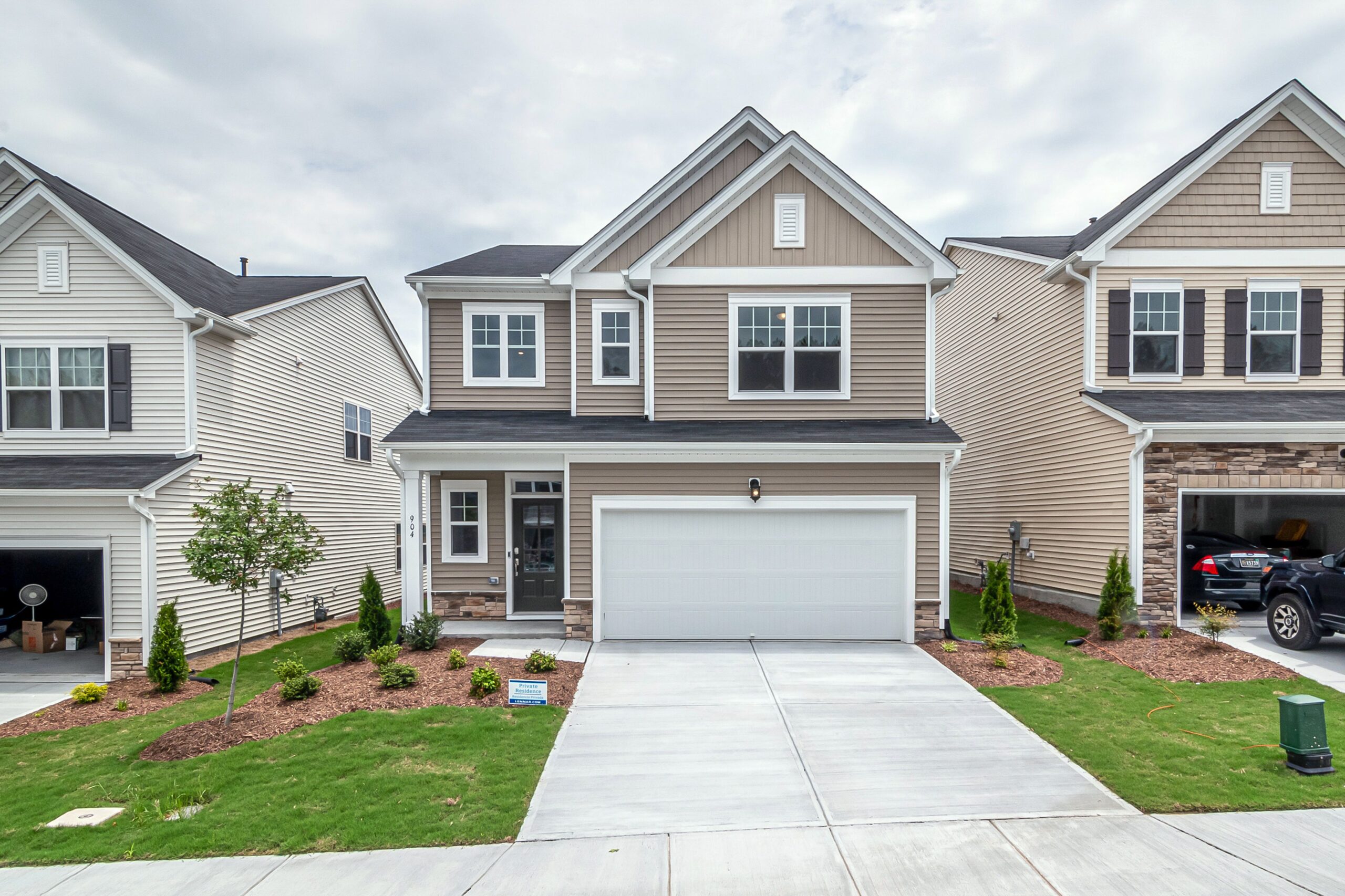

At some point in house hunting, you almost always end up here: two houses, both decent, both realistic options, and absolutely no obvious winner. One’s got the better kitchen. The other’s got the better yard. One’s a shorter commute. The other has an extra bedroom you’d actually use.
This is, weirdly, harder than choosing between a great house and a mediocre one. When one option is clearly better, the decision makes itself. When two options are both good in different ways, your brain just kind of… spins. So here’s how I’d break that down instead of going in circles about it.
Write Everything Down. Don’t Just Compare in Your Head
The first mistake is trying to hold the whole comparison in your memory. You toured house A on a Tuesday and house B on a Saturday, and by the time you’re actually deciding, the details have blurred together — was it house A or house B that had the weird laundry setup?
Put it on paper, or in a notes app, side by side. Price, square footage, bedrooms, condition of major systems, commute time, school district, yard size — whatever categories actually matter to you. Seeing it laid out flat, instead of as two fuzzy impressions, makes a real difference.
Separate “Fixable” From “Not Fixable”
This is probably the single most useful filter. Some differences between two houses are things you could change later. Others you’re stuck with.
Fixable: paint colors, outdated fixtures, ugly carpet, a kitchen that needs updating, landscaping.
Not fixable: lot size, the floor plan’s basic layout, proximity to a busy road, school district, commute distance, how close the neighbors are.
When you’re torn between two houses, it’s worth asking: is the thing I like about House A something I could eventually create in House B? If yes, it shouldn’t weigh as heavily in the decision. If it’s something permanent, that’s where the real difference lives.
Actually Do the Math on Cost Differences
If the two houses aren’t priced the same, it’s worth sitting down and comparing more than just the sticker price. Property taxes can vary a fair amount between towns or even neighborhoods. So can insurance costs, especially if one house is older or in a different flood zone. A cheaper house with a longer commute might cost you more in gas and time than a pricier one closer to work — that’s worth factoring in too, even if it’s harder to put an exact number on.
Think About Five Years From Now, Not Just Today
A house that’s perfect for your life right now might not be perfect for your life in a few years. If you’re planning on kids, a home office, aging parents moving in, or just wanting more space eventually, it’s worth asking how each house handles that. One might have room to grow — a basement that could be finished, an extra bedroom already there. The other might be maxed out as-is.
This one’s easy to skip because it’s speculative, but it’s exactly the kind of thing that’s much harder to fix after you’ve bought the smaller option.
Revisit Both Houses a Second Time
If you’re genuinely stuck between two houses, it’s worth going back to both before deciding — ideally close together, so the comparison is fresh. First visits are colored by excitement and first impressions. A second visit, especially once the initial “ooh” factor has worn off a little, tends to surface things you missed, and it can also clarify which one you’re actually more drawn to once the novelty fades.
Ask Yourself Which Flaws You Can Live With
Every house has flaws — even the one you eventually buy. So instead of asking “which house is better,” it can help to ask “which set of flaws am I more okay living with.” A smaller kitchen you can work around forever, or a longer commute you’ll dread every day? A yard you’ll never really use, or a bedroom count that’s genuinely too tight for how you live?
Naming the actual trade-off, instead of vaguely feeling torn, tends to make the decision clearer.
Talk It Through With Someone Who’ll Push Back
It helps to talk the comparison through with someone who isn’t emotionally attached to either house — a friend, a partner, even your agent. Not to have them decide for you, but because saying your reasoning out loud to someone who’ll ask “wait, why does that matter so much to you?” tends to expose which factors are actually driving your decision versus which ones just sound good on paper.
Why This Kind of Decision Deserves Real Time
It’s tempting to want a fast, obvious answer, especially once you’ve been house hunting a while and you’re a little tired of the process. But when two houses are genuinely close, rushing the comparison usually just means you’re deciding based on whichever one you happened to see most recently, rather than which one actually fits your life better.
Slowing down for a day or two — writing it out, doing the math, revisiting if you can — almost always makes the right answer clearer than it felt in the moment.
Final Thoughts
There’s rarely a perfect answer when you’re torn between two solid houses. Both come with trade-offs; the goal isn’t finding the one with zero downsides, it’s figuring out which set of downsides you can actually live with long-term. Write it down, separate what’s fixable from what isn’t, think a few years ahead, and give yourself permission to take a little extra time before deciding. It’s a big decision — it’s allowed to take more than one gut feeling to make.
FAQs
Is it normal to still feel unsure even after comparing carefully? Yes, that’s common. With two genuinely good options, there’s rarely a decision that feels 100% obvious. At some point, a reasonable amount of uncertainty is normal, and you move forward anyway.
Should price be the deciding factor if everything else is close? Not necessarily, but it should be one of the categories you compare directly, including ongoing costs like taxes and insurance, not just the purchase price.
How long should I take to decide between two houses? Long enough to think it through properly, but short enough that you’re not risking losing either option. In competitive markets, this can mean days rather than weeks, so it helps to have your comparison method ready before you’re actually in this position.
What if my partner and I disagree on which house is better? Try having each of you rank your top three reasons separately before discussing, rather than debating the whole thing at once. It often shows that you agree on more than it feels like, and it narrows the actual disagreement down to specific points instead of a general “I just prefer this one.”